Why Coffee Prices Are Rising: A Deep Dive into a Brewing Crisis
Why Coffee Prices Are Rising: A Deep Dive into a Brewing Crisis
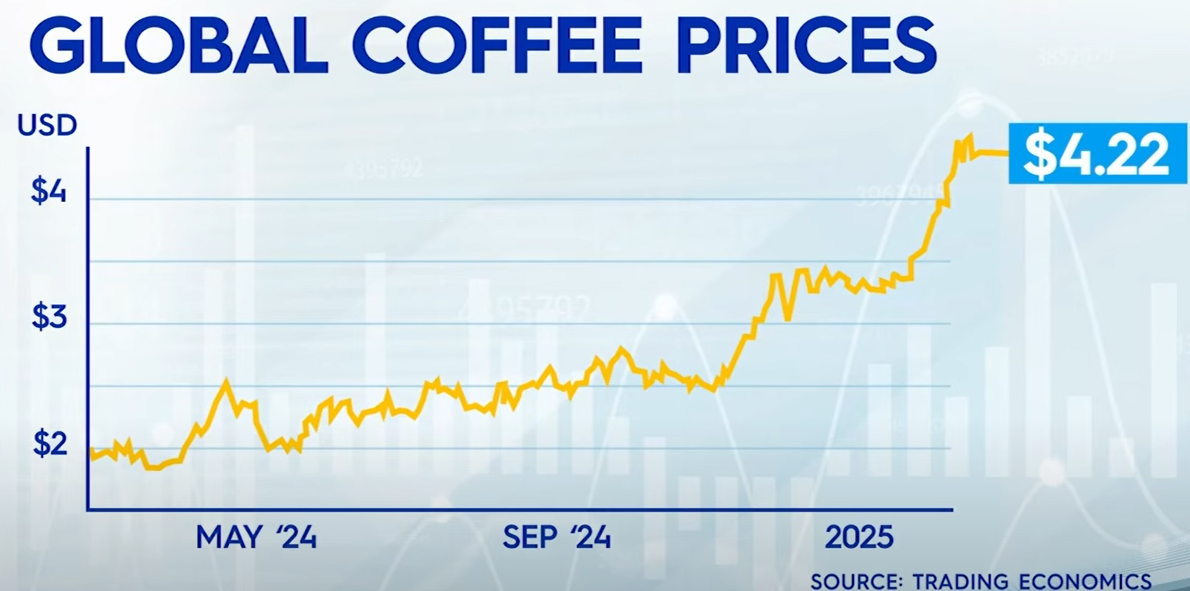
Coffee lovers worldwide are bracing for higher prices — and the steep climb in global coffee costs is no coincidence. What once was a universally accessible daily staple is now increasingly priced beyond reach for many consumers, driven by a complex web of climate shocks, supply chain fragility, labor challenges, and speculative trading. This in-depth analysis unpacks the key forces reshaping the coffee market, revealing how climate change, geopolitical instability, and shifting production patterns are fueling a sustained price surge across international markets.
At the heart of the coffee price surge is climate change, whose disruptive impact on key growing regions is already reshaping supply dynamics. Coffee cultivation relies on narrow climatic conditions, especially in the "Bean Belt" — regions straddling the equator ideal for Arabica and Robusta beans. Yet, rising temperatures, erratic rainfall, and heightened pest activity are undermining yields.
In Brazil, the world’s largest coffee producer, record droughts in Minas Gerais and Coffee Region villages have reduced harvests by double digits in recent years. “The weather patterns we’ve depended on for decades are no longer reliable,” warned Dr. João Costa, a senior agronomist at Embrapa, Brazil’s agricultural research corporation.
“Erratic rains and sudden frosts are killing flowering and damaging beans, cutting output when demand is high.” These environmental stressors limit supply just as global population and coffee consumption grow, tightening the market.
Supply chain disruptions further amplify pricing pressures, exposing vulnerabilities in transportation, labor, and logistics. The pandemic exposed how dependent coffee is on global shipping networks; prolonged port delays, container shortages, and soaring freight costs have added hundreds of dollars per ton to livestream the bean from farms to consumers.
In Vietnam and Indonesia — two major Robusta exporters — labor shortages due to migration and post-pandemic economic uncertainty have slowed harvests and processing. Meanwhile, global inflation has driven up fuel prices and packaging costs, stretching margins across the value chain. “The logistical maze has grown far more expensive and unpredictable,” noted Maria Falcon, a supply chain analyst at the International Coffee Organization.
“Every step—from farm to cup—now carries a heavier price tag.”
Market speculation, often overlooked, has emerged as a critical driver accelerating price spikes. Coffee futures markets, where investors bet on future bean prices, have become increasingly volatile. In recent years, institutional investors and hedge funds have poured capital into coffee’s derivatives, treating beans as a commodity asset amid broader inflation concerns.
This financialization fosters speculative bubbles disconnected from real production realities. When traders speculate on supply disruptions or climate risks, futures prices rise—setting in motion a domino effect that pushes spot prices higher for exporters and ultimately for consumers. “Speculation can amplify genuine supply issues,” explained market expert Paul Hallgren of Ratemind.com, a global commodities analyst.
“It turns physical shortages into market panic, driving prices up even before physical supply tightens.”
Shifts in global production patterns and trading dynamics add another layer of complexity.verein cane.zero twahlr coℋ Coffee-producing nations face growing competition for acute markets and shifting alliances. Climate stress is driving some farmers to relocate crops or switch to heat-tolerant varieties, but adaptation requires time, investment, and technical support—often unavailable in poorer regions. At the same time, consumer trends in traditional markets like North America and Europe are influencing supply decisions: rising demand for specialty and sustainable beans increases premium pricing but risks excluding smallholder farmers from fair returns.
Export policies, tariffs, and trade agreements now steer how beans flow from farms to stores, with nations like Ethiopia and Colombia adjusting export quotas or investing in branding to capture higher margins. These evolving dynamics reveal a sector under unprecedented strain—balancing environmental limits, labor realities, and global finance.
Consumers are already paying the price, with retail coffee costs climbing steadily.
In the United States, average supermarket prices for whole-bean coffee rose by over 15% between 2021 and 2023, according to the USDA. That translates to more than a dollar extra per 10-ounce bag—small in isolation, but meaningful at scale. For frequent coffee drinkers, this adds hundreds more annually, hitting low-income households especially hard.
“Coffee is more than a beverage; it’s a daily necessity,” said agronomist Dr. Costa. “When prices outpace income growth, access becomes a real challenge.” Moreover, the volatility of supply and pricing undermines long-term planning for both producers and buyers, shifting industry behavior toward risk-averse strategies such as forward contracts or vertical integration.
Looking forward, the coffee sector must navigate an uncertain future where climate resilience, supply chain stability, and market transparency grow ever more critical. Innovations in climate-smart agriculture, precision farming, and digital platforms promise to boost yields and traceability, helping to stabilize production. Yet systemic change demands collaboration across governments, corporations, scientists, and farmers.
Without coordinated investment and policy support, rising coffee prices may persist—reshaping not only consumer habits but the very livelihoods of millions who grow the beans that fuel global morning rituals.
The surge in coffee prices reflects far more than volatility in a single commodity market. It signals the growing intersection of climate crisis, global economics, and human resilience.
As temperatures rise and cinch the world’s coffee supply, stakeholders across the value chain face a defining challenge: transforming a beloved drink into a sustainably managed resource—so the next cup remains affordable, accessible, and equitable for all.



Related Post

Advocate Medical Group Oak Lawn Primary Care: A Cornerstone of Trusted, Accessible Community Medicine

Is Putin Married? The Quiet Marriage Behind Russia’s Stark Power

Lyrics To Long Live: The Power Behind a Song That Echoes Through Time

Is Haunting Adeline Spicy the Cosmic Phenomenon Stirring Virtual Culture?


