What Powers Life: Unveiling the Reactants Behind Photosynthesis
Michael Brown
4001 views
What Powers Life: Unveiling the Reactants Behind Photosynthesis
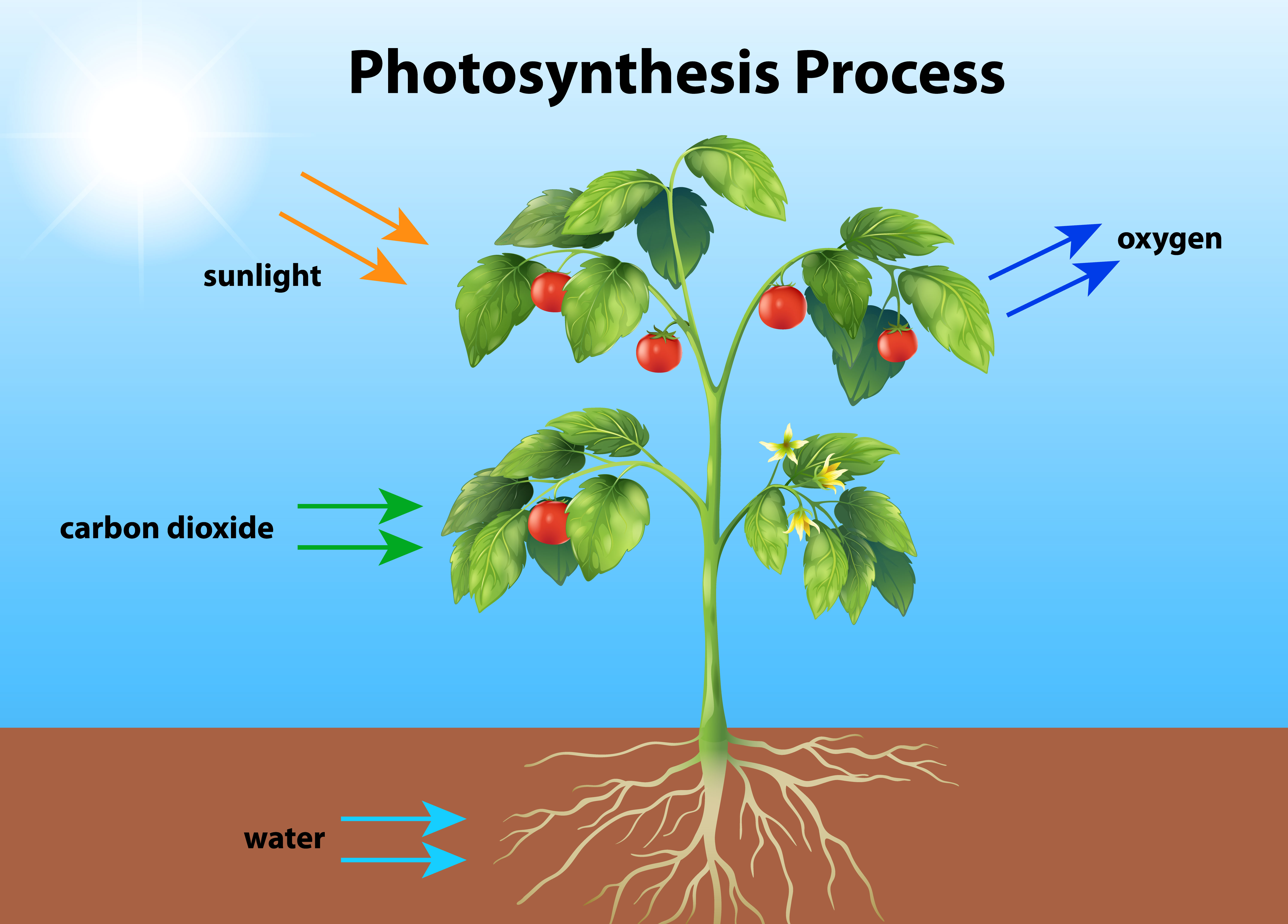
Photosynthesis is the biochemical engine that fuels nearly all life on Earth, transforming sunlight into chemical energy stored in glucose. At its core lies a precise set of reactants—carbon dioxide, water, and light energy—each indispensable to the process. Without these fundamental inputs, the dynamic symphony of oxygen production and sugar synthesis would falter, unraveling ecosystems and disrupting the global carbon cycle.
Understanding these reactants not only reveals how plants sustain themselves but also illuminates the delicate balance sustaining planetary life.
The Essential Reactants: Carbon Dioxide, Water, and Light
Three core reactants drive photosynthesis: carbon dioxide (CO₂), water (H₂O), and light energy. Each plays a distinct yet interconnected role in converting solar input into usable biological energy.
- **Carbon Dioxide (CO₂):** The carbon backbone responsible for building organic molecules, CO₂ enters plants through microscopic pores called stomata. During photosynthesis, carbon atoms from CO₂ are fixed into glucose via the Calvin cycle—an essential process that transforms inorganic carbon into life-sustaining sugars. - **Water (H₂O):** Absorbed through plant roots, water serves multiple critical functions.
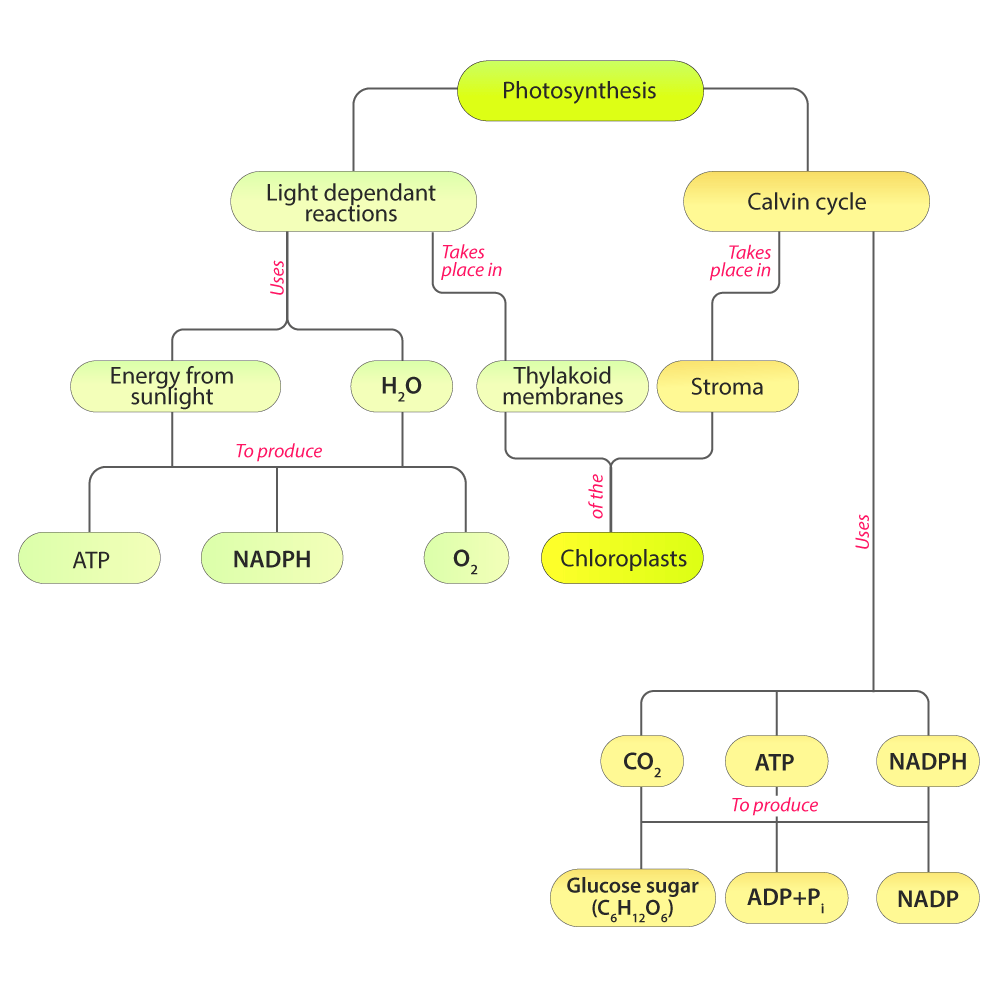
It acts as an electron donor in light-dependent reactions, releasing oxygen as a byproduct, while also contributing protons and hydrogen ions necessary for ATP synthesis. Without water, the energy conversion and redox reactions that power glucose formation would cease. - **Light Energy:** Captured by chlorophyll and accessory pigments embedded in thylakoid membranes, light energizes electrons and drives ATP and NADPH production—energy carriers that fuel carbon fixation.
Light is not merely a trigger; it is the ultimate energy source enabling the entire process. Each reactant is irreplaceable: removing CO₂ halts carbon assimilation, water deprivation stops electron flow, and absence of light halts energy capture. This synergy ensures photosynthesis remains both a biochemical marvel and ecological cornerstone.
Carbon Dioxide: The Carbon Source That Builds Life Plants absorb carbon dioxide through stomatal openings, drawing air into leaf interiors where CO₂ dissolves in a fluid medium and migrates to chloroplasts. This internal gas exchange fuels the Calvin cycle, where the enzyme RuBisCO catalyzes the binding of CO₂ to ribulose bisphosphate (RuBP), initiating a chain of reactions that regenerate organic compounds. “The carbon dioxide molecule acts as a vital reservoir, channeling atmospheric inorganic carbon into the biochemical web of life.” This exchange is not passive: stomatal regulation adjusts uptake based on environmental cues such as temperature, humidity, and light intensity.
In arid conditions, plants close stomata to conserve water, inadvertently limiting CO₂ intake and reducing photosynthetic efficiency—a delicate trade-off that underscores nature’s adaptability.
Water: More Than Just a Hydration Source Water’s role extends far beyond rehydrating plant tissues. Within chloroplasts, water undergoes photolysis—the splitting of water molecules—at Photosystem II.
This process liberates electrons required to replace those lost by chlorophyll during light absorption, maintains the proton gradient across thylakoid membranes, and generates oxygen gas, released into the atmosphere. Each molecule of water contributing to photosynthesis supplies two electrons, two protons, and half an oxygen atom. The oxygen released benefits aerobic organisms worldwide, supporting over 80% of Earth’s species.
As scientist and Nobel laureate George M. Whitesides once noted, “Water’s hidden labor in photosynthesis makes human breath possible.”
Light Energy: The Catalyst That Ignites Photosynthesis Light, in the form of photons, is the energetic trigger for the light-dependent reactions. Chlorophyll molecules absorb specific wavelengths (primarily blue and red), raising electrons to higher energy states.
These energized electrons flow through electron transport chains, driving proton pumping, ATP synthase activation, and NADP+ reduction to NADPH. Efficiency varies: plants have evolved mechanisms like C3, C4, and CAM pathways to optimize light capture under diverse conditions—from scorching deserts to shaded forests. Yet, even the most specialized species remain bound by light intensity, spectral quality, and duration.
At night or in deep shade, photosynthesis ceases, emphasizing light’s irreplaceable role.