Liberal vs. Conservative Chart: Decoding America’s Political divide Through Data and Beliefs
Liberal vs. Conservative Chart: Decoding America’s Political divide Through Data and Beliefs
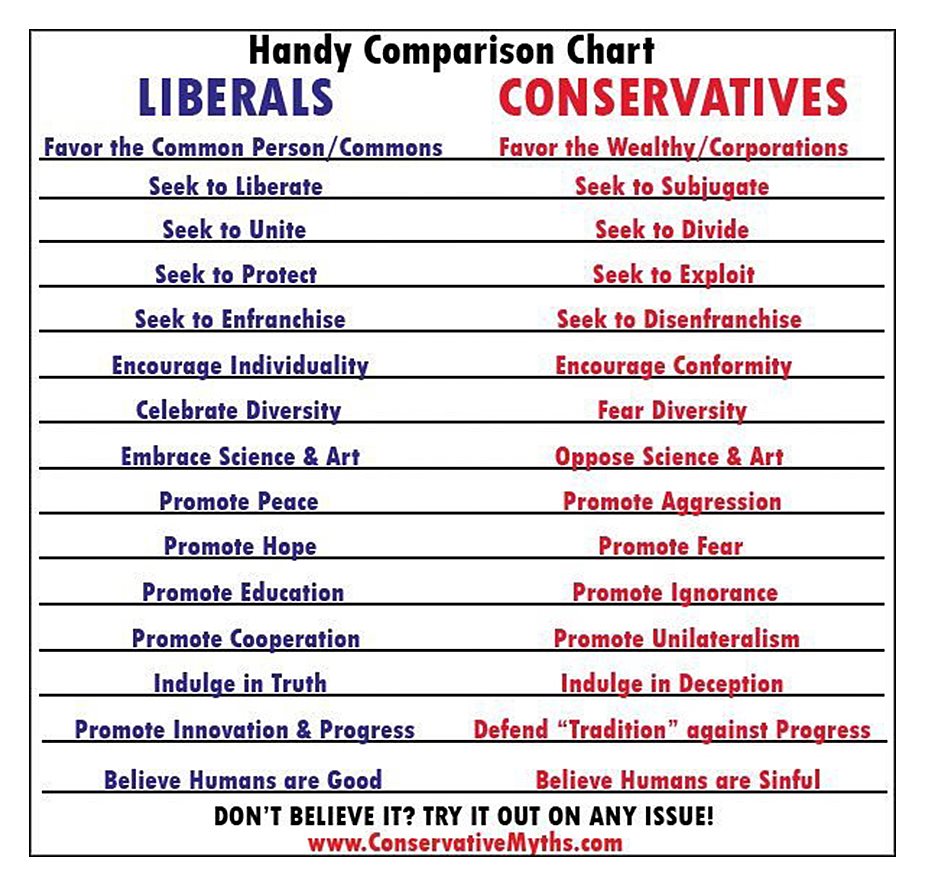
The political landscape in liberal and conservative realms is not merely a clash of ideologies—it is a structured mosaic of values, policy preferences, economic visions, and cultural attitudes, best understood through detailed comparative analysis. A pivotal tool for decoding this complex divide is the liberal vs. conservative chart—a visual and analytical framework that maps opposing worldviews across key domains such as climate policy, taxation, healthcare, civil rights, and governance.
These charts reveal far more than binary oppositions; they illuminate fundamental differences in how each bloc perceives the role of government, individual responsibility, social equity, and national identity. The chart typically organizes positions on a spectrum, with liberalism generally associated with progressive expansion of government intervention to promote social welfare and equity, and conservatism favoring limited state involvement, individual liberty, free markets, and traditional social structures. Yet, nuance lies beneath surface labels.
Data-driven comparisons show how, for example, economic policy alignment isn’t always as stark as perceived—many conservatives support fiscal discipline, while liberals advocate for targeted public investment. Understanding these dynamics requires moving beyond slogans to examine policy trade-offs, voter behavior, and evolving societal shifts.
Core Contrasts in Economic Philosophy
Economic ideology forms the foundation of the liberal vs.conservative divide, shaping policy prescriptions on taxation, spending, and regulation. Liberalism generally advocates for progressive tax systems that require higher earners to contribute more, funding expansive public programs such as healthcare, education, and social security. As economist Joseph Stiglitz notes, “A fair tax system should ask more from those who have more—both to fund public goods and ensure greater economic stability.” This approach aims to reduce income inequality and expand opportunity, grounded in the belief that government must actively address market failures and protect vulnerable populations.
Conversely, conservatism emphasizes lower marginal tax rates, reduced government spending, and market-driven solutions. Proponents argue that minimizing fiscal burden on individuals and businesses fosters innovation, job creation, and long-term prosperity. The Reagan-era tax cuts of the 1980s exemplify this philosophy, with the belief that “great economies grow best when freedom and enterprise are unshackled.” This perspective views tax reductions as incentives for investment rather than tools for redistribution.
Critically, many conservatives are fiscal hawks—prioritizing balanced budgets and debt restraint—while liberals often support strategic deficits during economic downturns or for long-term investments like infrastructure. These divergent views reflect deeper philosophical rifts: one sees the state as a stabilizer and equalizer; the other as a potential impediment to growth and personal responsibility.
Social Policy: Values Behind the Policy Lines
Beyond economics, the liberal vs.conservative chart reveals stark contrasts in social values. Liberals typically advocate for expansive civil rights, including LGBTQ+ protections, reproductive autonomy, and immigration reform, grounded in principles of inclusion, dignity, and evolving social norms. A 2023 Pew Research survey found that 78% of liberal respondents support federal protections for transgender individuals, while only 27% of conservatives voice similar support—highlighting deep cultural divides.
Conservatives often emphasize traditional family structures, religious liberty, and local governance over federally mandated change. Issues like same-sex marriage or abortion rights are frequently framed as matters of conscience and constitutional interpretation, not merely policy preferences. This divergence reflects contrasting visions: liberals see rights as universal and federally enforceable, whereas conservatives view them as subject to cultural consensus and state-level variation.
Healthcare presents another telling fault line. Liberal platforms commonly champion universal coverage models such as Medicare-for-All or expanded public options, arguing healthcare is a right, not a privilege. Conservative opposition often centers on concerns about government overextension, cost inefficiency, and personal choice—preferring market competition and private insurance as mechanisms for quality and access.
The 2021 debate over the American Rescue Plan illustrated this tension, with liberal proponents stressing coverage expansion and conservative critics warning of unsustainable federal growth.
National security and foreign policy further distinguish the two camps. Liberals tend to favor multilateral diplomacy, international institutions, and cautious military engagement—prioritizing human rights in intervention decisions.
Conservatives often emphasize unilateral action, strong defense postures, and sovereignty, reflecting skepticism of global overreach. The steele hearings on Russia investigations, for instance, revealed how each side interpreted foreign influence through different lenses: liberals emphasized transparency and accountable governance, while some conservatives stressed national unity against perceived elite deception.
The liberal vs. conservative chart does more than depict ideology—it tracks shifting societal transformations shaped by demographics, technology, and generational change.
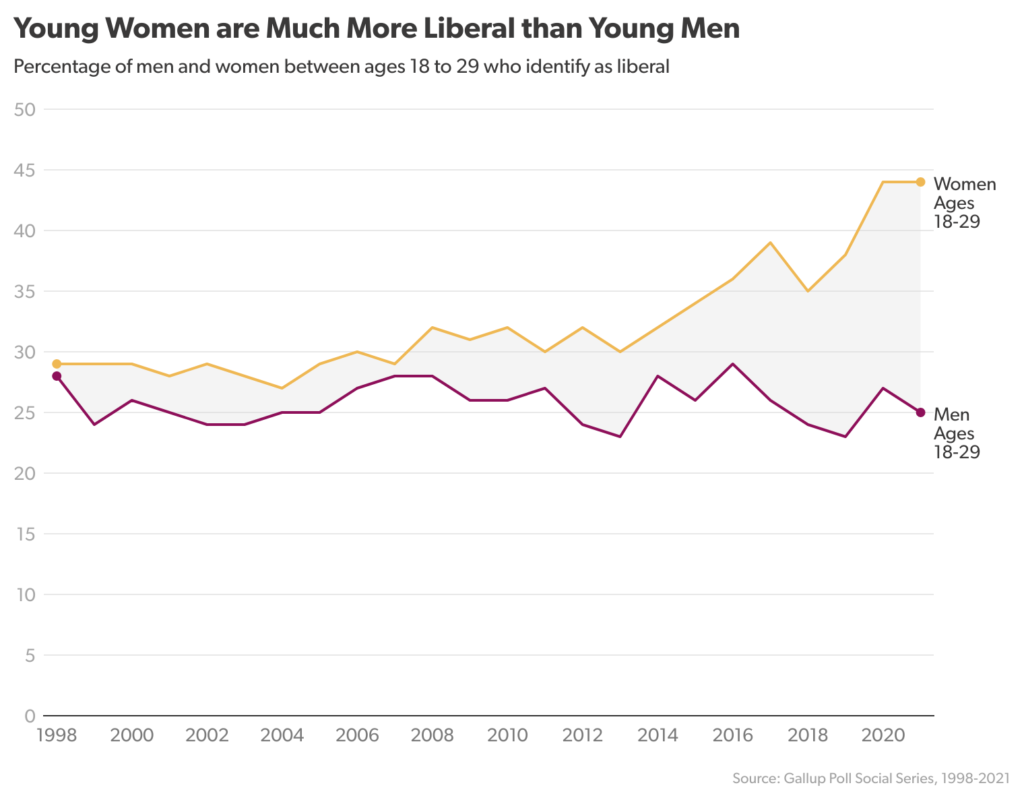
Millennials and Gen Z voters increasingly align with liberal policies on climate action, social justice, and climate resilience, whereas older, rural populations often lean toward conservative values rooted in tradition and fiscal prudence. These demographic currents ensure the divide evolves as much as it remains, driven by who holds power and what challenges define each era.
Ultimately, the liberal vs. conservative chart is not a static battlefield but a living grid illustrating how two major political cultures negotiate power, purpose, and progress.
While often framed


Related Post

Discover the Ultimate Comfort in Every Step: The Hoka Bondi 8 Cosmic Pearl Review

The Tragic Tale of Nikki Catsouras: When Privacy Collides with Social Media’s Unforgiving Gaze

From Corporate Boardrooms to Family Stages: The Life and Legacy of Jon Reep’s Wife

Steve Williams’ Birth: Unveiling the Stone Cold Truth Behind The Iconic Bodybuilder’s Origins