Economics Principles In Action: How Supply, Demand, and Market Forces Shape Modern Society
Economics Principles In Action: How Supply, Demand, and Market Forces Shape Modern Society
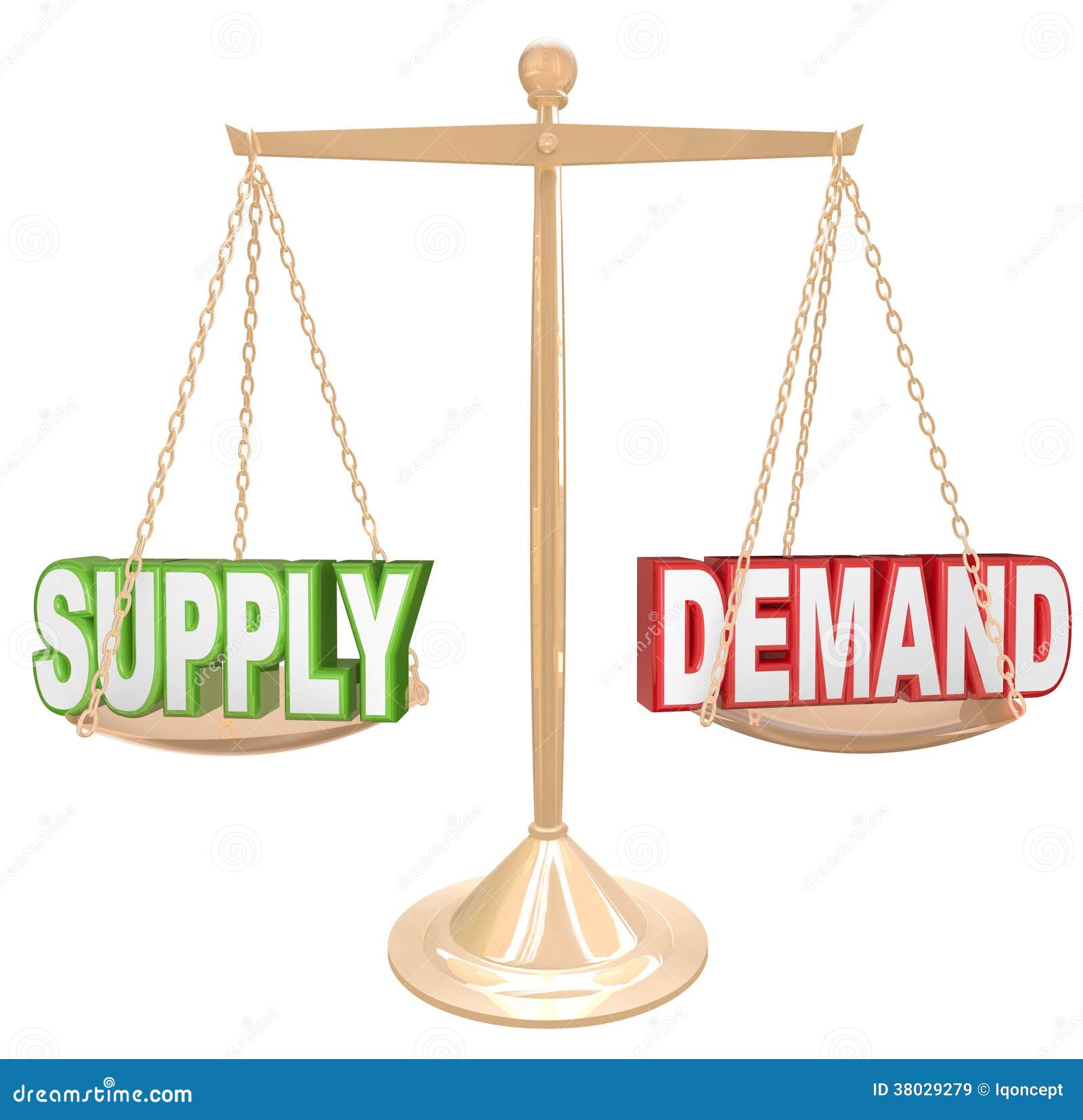
The invisible hand of economics—thoughtfully guided by supply and demand—drives nearly every transaction, from the price of a smartphone to global trade flows. When buyers and sellers interact in markets, subtle economic principles emerge, influencing behavior, resource allocation, and economic growth. “Markets are not perfect, but they approximate equilibrium better than any planned system,” observes economist Susan Haskins, emphasizing how price mechanisms balance scarcity and desire.
This article explores how core economics concepts—elasticity, opportunity cost, incentives, and market failure—operate in real-world settings, offering tangible insights into how economies function and evolve.
At the heart of market dynamics lies the principle of supply and demand. When demand for electric vehicles surged last decade, manufacturers responded by scaling production, investing in battery technology, and adjusting pricing strategies.
As demand multiplied, prices initially rose, but increased supply eventually brought costs down—demonstrating the law of supply and demand in action. Conversely, when economic uncertainty prompted consumers to shift spending toward essentials, demand for luxury goods declined sharply, forcing producers to reallocate resources. This responsiveness reveals how markets self-correct through price signals, a cornerstone of free-market theory.
Elasticity, the measure of responsiveness, plays a critical role in pricing and policy decisions. For example, gasoline demand tends to be relatively inelastic—short-term price spikes don’t instantly reduce consumption significantly. But over time, as consumers adopt fuel-efficient vehicles or shift to public transit, demand becomes more elastic.
Governments leveraging this principle in fuel tax policies observe that moderate tax increases can reduce emissions without triggering mass resistance, illustrating how elasticity transforms theoretical concepts into practical revenue and environmental tools.
Opportunity cost underpins every economic choice, visible not only in individual budgets but also across nations. A developing country allocating $1 billion to expand highway infrastructure implicitly accepts less investment in healthcare or education.
This trade-off, central to microeconomic decision-making, reflects the scarcity of resources: “There is no free lunch,” underscores economist Peter Vroom, reminding us that every allocation means foregoing alternatives. Nations optimize allocations based on long-term growth models, balancing immediate needs with sustainable development.
Incentives shape behavior in powerful yet subtle ways.
Tax credits for solar panel installation compel homeowners and businesses to invest in renewable energy, turning environmental responsibility into financial advantage. Similarly, minimum wage laws create wage floors, incentivizing employers to enhance productivity or reallocate labor—models show such policies can lift incomes but may reduce hiring among low-skilled workers, highlighting the delicate balance governments must strike.
Markets often fail when external costs or benefits aren’t priced in, necessitating thoughtful intervention.
The classic model of pollution—unpriced environmental damage—exemplifies a negative externality. Factories emitting greenhouse gases impose costs on society not reflected in product prices. Economists advocate for Pigovian taxes, which internalize these externalities by pricing carbon, aligning private costs with social responsibility.
Conversely, positive externalities, like education spillover benefits, justify public subsidies, illustrating how market-based tools correct inefficiencies while preserving core market mechanisms.
Real-world case studies reveal economics principles in dynamic operation. In Singapore, congestion pricing uses price signals to manage traffic: when road use becomes costly during peak hours, commuters shift to public transit, reducing bottlenecks and emissions.
This illustrates how smart pricing aligns private choices with public good. Similarly, auctions for spectrum licenses—used globally—allocate scarce wireless frequencies efficiently by letting market bids determine ownership, maximizing societal value.
Behavioral economics challenges the classical assumption of perfectly rational actors, showing how cognitive biases sway decisions.
People often overvalue immediate rewards over future gains—a bias known as temporal discounting—explaining why savings rates remain low despite economic incentives. “Understanding human behavior is as vital as modeling markets,” says behavioral economist Cass Sunstein, urging policymakers to design “nudges” that guide better choices without restricting freedom.
Globalization embodies opportunity cost and comparative advantage on a massive scale.
Countries specialize in what they produce most efficiently, trading for goods they lack domestic capability. For example, Vietnam’s rise as a textile hub reflects comparative advantage in labor-intensive manufacturing, boosting both exports and foreign investment. Yet, reliance on global supply chains exposes vulnerabilities, as seen during the pandemic—highlighting that efficiency gains must be balanced with resilience.
Market equilibrium—where supply equals demand—is rarely static. Technological innovation, demographic shifts, and climate change continuously reshape supply and demand landscapes.


Related Post

The Truth Behind the Badge: Wayne Jenkins’ Wife — Unveiling the Unseen Strength Behind the Officer’s Life

Daytona Escorts: Navigating the Complex Intersection of Service, Culture, and Controversy in Daytona Beach

Me1 Lol Robux: The Hidden Engine Behind Me1’s Infinite Robux Growth

Exploring The Relationship Of Robert Plant And Alison Krauss: Are They Married?


