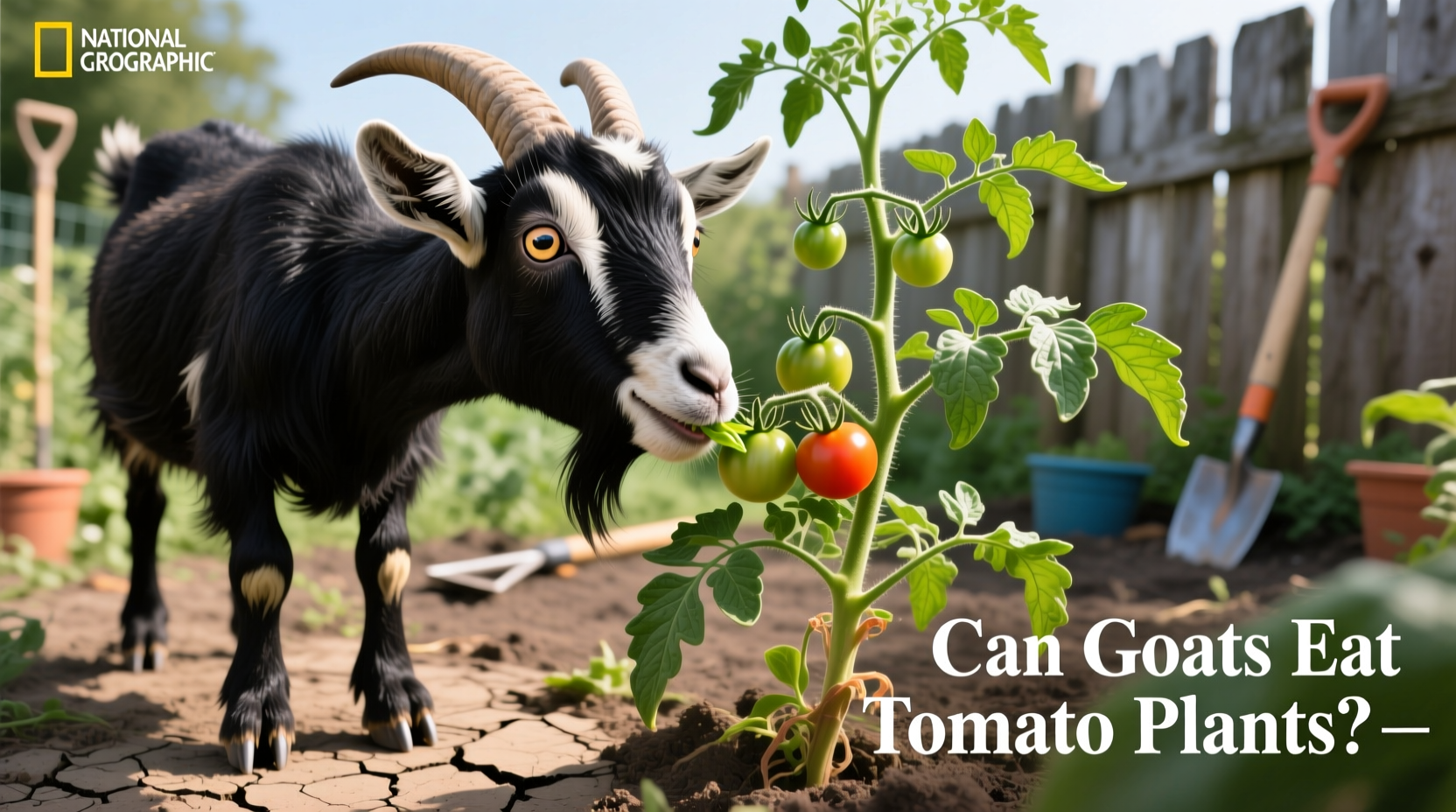
Can Goats Eat Tomato Plants? Unmasking the Hidden Dangers and Unexpected Benefits
Can Goats Eat Tomato Plants? Unmasking the Hidden Dangers and Unexpected Benefits
Goats are renowned for their rugged diets and impressive ability to eat a wide variety of plants, but when it comes to tomato plants—leaves, vines, and fruit—careful analysis is essential. While the tomato plant’s fruit is a familiar garden favorite and occasional treat, its foliage and other parts harbor compounds that pose significant risks. Understanding what goats can and cannot safely consume is critical for maintaining their health and ensuring responsible livestock management.
The key question is not simply “can goats eat tomatoes,” but rather “what are the real risks and benefits of feeding tomato plants to goats, and how does it affect their well-being?”
Tomato plants belong to the Solanaceae family, which includes species like eggplant, bell peppers, and potatoes—many of which are safe or even nutritious for herbivores. However, tomatoes themselves, along with green parts of the plant, contain alkaloids such as tomatine and solanine. These natural compounds serve as defense mechanisms against pests and environmental stress.
While ripe red tomatoes contain significantly lower concentrations, excessive ingestion—especially of unripe fruit or plant material—can lead to toxic effects in goats. The concern lies not just in poisoning, but also in subclinical impacts that weaken immunity, reduce appetite, or trigger digestive distress over time.
What Goats Can and Cannot Safely Consume: The Tomato Plant Breakdown
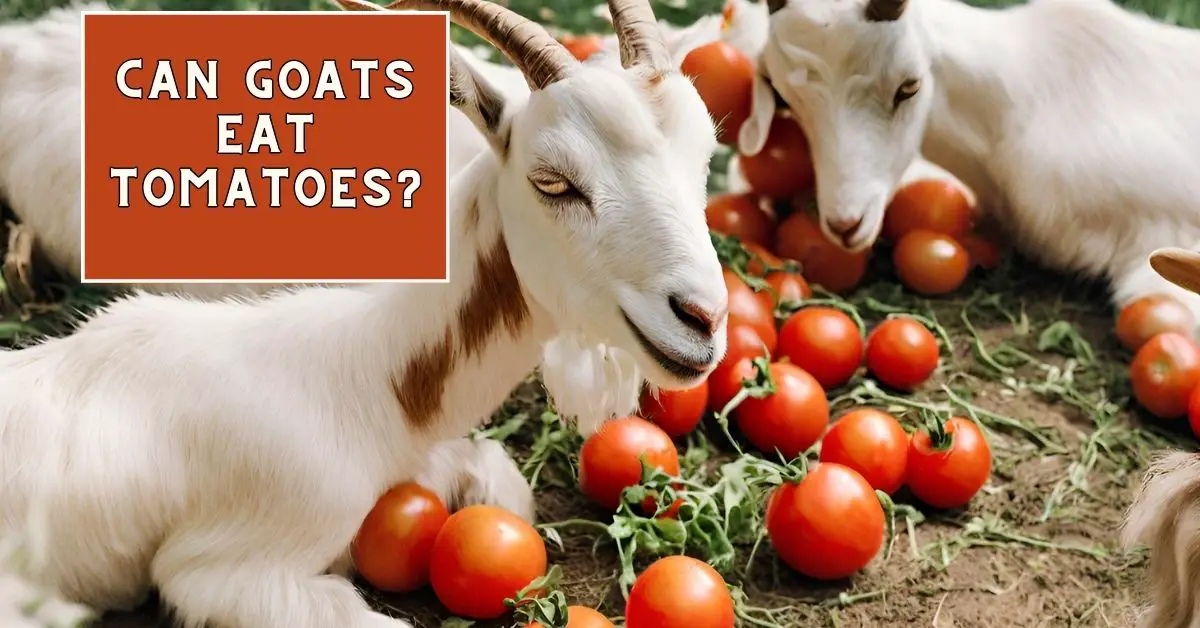
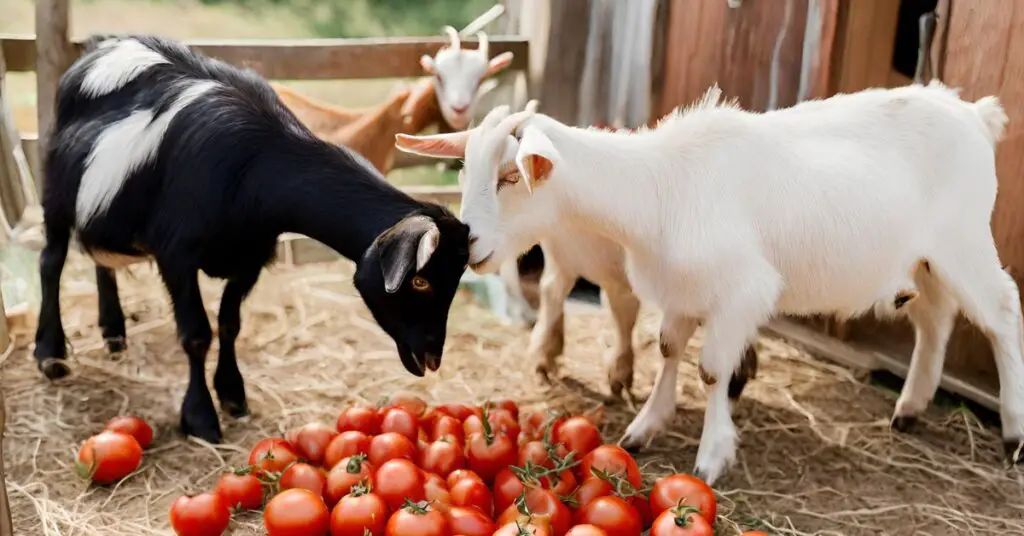
Ripe, red tomatoes are the safest seismic to goats when offered in moderation. These fleshy, juicy parts provide vitamins A and C, antioxidants, and hydration—beneficial when integrated into a balanced diet.
However, the plant’s green components—the leaves, stems, and unripe fruits—are where caution is required. Green parts contain elevated levels of tomatine, a glycoalkaloid similar to nightshade toxins, which interferes with cellular sodium and potassium regulation when overconsumed.
- Ripe Fruit: Non-toxic in small quantities but should never replace essential forage. Too much can cause mild gastrointestinal upset due to natural sugars and solanine.
- Green Plant Material: Contains bioactive compounds that disrupt metabolic processes at high levels.
Ingestion may trigger symptoms such as drooling, diarrhea, lethargy, or in severe cases, tremors and collapse.
- Young Seedlings and Flowers: More sensitive than mature plants; avoid allowing goats access during early growth stages when alkaloid concentrations are highest.
Grains and commercial feeds should always form the foundation of a goat’s diet; forage like grass, hay, and browse shrubs provides superior nutrition. Tomatoes, even ripe ones, are not a staple. Instead, they may serve as a seasonal, monitored supplement—never a main course.
Clinical Risks: Symptoms and Toxicity Thresholds
Tomatine toxicity in goats is rare with occasional, small exposure to ripe fruit, but repeated or large intake of green parts emerges as a genuine concern.
The threshold for dangerous doses remains unclear, though anecdotal and veterinary observations point to adverse effects beginning at green plant quantities equivalent to several leaves per goat. Common clinical signs include:
- Mild to moderate vomiting and diarrhea due to irritation of the gastrointestinal lining
- Anorexia, reduced feed intake, or selective grazing behavior
- Behavioral changes: restlessness, trembling, or facial twitching (indicative of neuromuscular disruption)
- Severe cases involve cardiac irregularities and respiratory distress—rare but possible in extreme overexposure
Veterinary experts emphasize that goats’ ruminant physiology offers some metabolic buffer, but overreliance on tomato plants crowds out nutrient-dense forage essential for maintaining rumen health and immunity.
Scientific Insights: Alkaloids and Ruminant Metabolism
Research into Solanaceae toxicity in livestock confirms that glycoalkaloids like tomatine interfere with acetylcholine receptors and ion channels in nerve and muscle tissue. In goats, this can translate into neuronal hyperactivity and disrupted gastrointestinal motility.
A 2021 study in the Journal of Ruminant Nutrition found that while ruminal microbes partially degrade tomatine, excessive substrate overwhelms natural detoxification pathways. “Up to 100–200 mg/kg body weight of green plant matter and alkaloids has been associated with observable clinical signs,” notes Dr. Emily Vance, a zoological nutritionist.
“This informs the cautious approach recommended by integrated farm management systems.”
Safe Practices: Feeding Tomato Plants Without Risk
Responsible goat keeping demands strict boundaries around tomato plants. Have these actionable guidelines become part of your routine?
- Only Ripe Fruit in Moderation: Offer red, fully mature tomatoes as an occasional treat—no more than one to two per goat, never daily.
- Exclude Green Parts Entirely: Remove all leaves, stems, and unripe fruit immediately, even if goats show no immediate disinterest.
- Monitor Feeding Habits: Observe for changes in appetite, stool quality, or behavior within 24–48 hours of introduction.
- Prioritize Forage Diversity: Fill feed rations with Timothy, alfalfa, clover, or native browse—this minimizes dependency on variable, high-alkaloid vegetables.
- Educate Caretakers: Share knowledge on proper plant identification and risk levels within farming communities to prevent accidental overconsumption.
Beyond direct plant risks, context matters. Goats allowed ample pasture with diverse forage are less likely to seek out unusual plants.
A balanced system reduces reliance on supplemental treats—including tomatoes—to avoid nutritional imbalance.
Alternatives to Tomatoes: Safer Diet Enhancements
While tomatoes dangle appealingly as a treat, numerous safer options enrich a goat’s diet while avoiding risk. Consider incorporating:
- Leafy greens: kale, chard, and mustards—rich in vitamins and fiber
- Fruits in moderation: apples, pears, or blueberries with seeds removed
- Seaweed flakes (in small quantities): boosts trace minerals
- Dried herbs like oregano or thyme: natural enhancers with antimicrobial properties
These alternatives deliver essential nutrients without exposing goats to tomatine or related toxins, supporting long-term health and resilience.
Expert Consensus: Balanced Judgments on Tomato Consumption
Veterinary toxicologists and livestock nutritionists consistently advocate for an ecological, preventive mindset when introducing novel foods like tomato plants. While ripe red tomatoes pose minimal risk and provide some nutritional value, the potential toxicity of green parts—and the metabolic burden on goats—warrants caution.
The consensus is clear: enjoy the seasonal splurge of tomatoes, but never at the expense of your goats’ core diet and health. As Dr. Vance advises, “Goats thrive on consistency and natural forage.
They’re not designed to detoxify nightshade compounds—they’re not, and shouldn’t be relied upon.”
Understanding the interplay of benefits and risks transforms accidental feeding into informed care. Tomato plants are not inherently poison for goats—but their plant material demands respect. By respecting these boundaries, goat owners protect their herds from hidden dangers while nurturing sustainable, thriving livestock systems.
In the end, safe feeding is not about elimination, but integration—feeding wisely, not just freely.
Related Post

Unlock Your October Zodiac Power: Within This Month’s Cosmic Energy Lies Personality, Destiny, and Hidden Potential

75232: Decoding a Number That Shapes Modern Technology and Global Systems

Katherine Vs Elena: A Deep Dive Into Their Turbian, Turbulent, and Turbocharged Relationship

When Light Gone: The Quiet Tragedy of Bob Ross’s Death