With constipation affecting millions of people worldwide, learning how to fix constipation is a crucial aspect of maintaining a healthy digestive system. This comprehensive guide will walk you through the causes of constipation, its symptoms, and effective ways to manage and prevent it.
The causes of constipation are multifaceted, ranging from dietary habits to physical inactivity, stress, and poor bowel habits. Understanding these factors is essential in taking the first step towards a life free from constipation. By incorporating simple lifestyle changes, dietary modifications, and natural remedies, you can say goodbye to constipation for good.
Dietary Changes to Prevent Constipation

A well-balanced diet plays a vital role in maintaining a healthy digestive system and preventing constipation. By incorporating a variety of nutrient-rich foods, individuals can improve bowel regularity, enhance nutrient absorption, and reduce the risk of chronic diseases associated with constipation.
High-fiber foods are essential in a constipation prevention diet. These foods help to promote regular bowel movements, soften stool, and support the growth of beneficial gut bacteria. Include a range of fruits, vegetables, and whole grains in your diet to ensure adequate fiber intake. Some examples of high-fiber foods include:
- Leafy greens such as spinach, kale, and collard greens
- Cruciferous vegetables like broccoli, cauliflower, and bell peppers
- Legumes, including beans, lentils, and chickpeas
- Fruits like berries, citrus fruits, and apples
- Whole grains like brown rice, quinoa, and whole wheat bread
The recommended daily fiber intake is 25-30 grams for adults. To increase your fiber intake, aim to consume five servings of fruits and vegetables and two servings of whole grains per day.
Fiber-Rich Recipes for Constipation Prevention
Constipation-friendly recipes can help you stay on track with your fiber-rich diet. Here are some delicious and nutritious options to consider:
- Constipation-Friendly Smoothie: Combine 1 cup frozen berries, 1/2 cup yogurt, 1 tablespoon chia seeds, and 1 tablespoon honey in a blender. Blend until smooth and enjoy as a quick snack or breakfast.
- High-Fiber Salad: Mix 2 cups mixed greens, 1 cup cooked lentils, 1 cup diced apple, and 1/2 cup chopped walnuts. Top with a simple vinaigrette dressing made from apple cider vinegar and olive oil.
- Fiber-Rich Baked Goods: Substitute whole wheat flour for all-purpose flour in your favorite baked goods recipe. Add in chopped nuts or seeds like almonds or sunflower seeds for extra fiber and crunch.
Benefits of Fermented Foods for Digestive Health
Fermented foods, such as yogurt, kefir, and kimchi, are a great way to promote digestive health and prevent constipation. These foods contain beneficial probiotics that help to regulate gut bacteria, improve nutrient absorption, and enhance the overall health of the digestive system. Include fermented foods in your diet to reap their numerous benefits.
Fermented foods contain a range of essential vitamins and minerals, including:
- Vitamin K, which helps to regulate blood clotting and calcium metabolism
- Calcium, which supports bone health and muscle function
- Probiotics, which promote a healthy gut microbiome
- Vitamin B12, which supports energy production and nerve function
When selecting fermented foods, opt for products that are high in probiotics and low in added sugars, salt, and artificial ingredients. Include fermented foods in your diet to promote digestive health and prevent constipation.
Natural Remedies and Supplements for Constipation: How To Fix Constipation
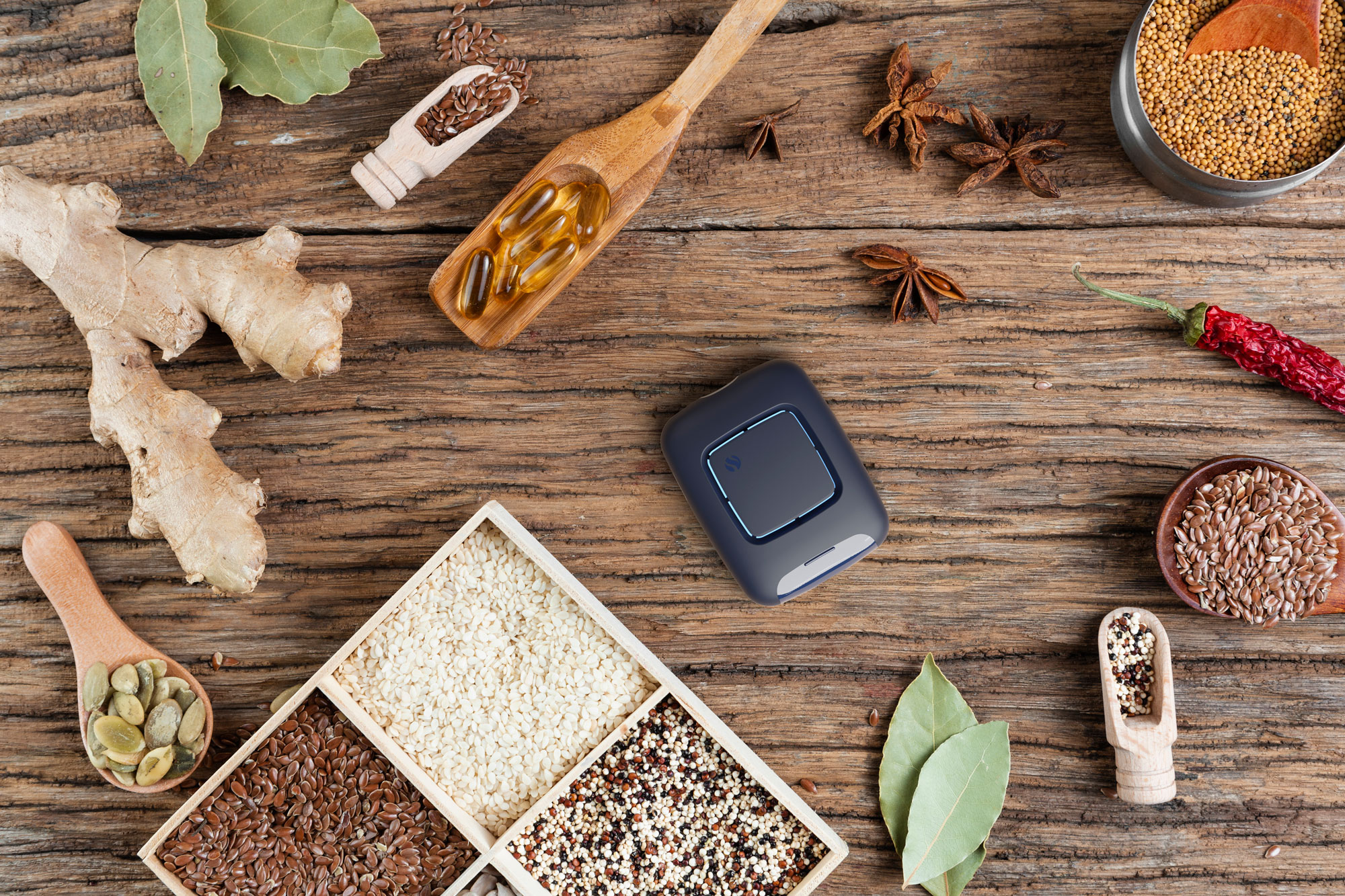
When it comes to treating constipation, natural remedies and supplements can be a gentle and effective way to restore digestive balance. From enhancing beneficial bacteria to soothing digestive issues, these alternatives can be a game-changer for individuals looking to manage constipation without relying on harsh medications.
The Power of Probiotics in Treating Constipation, How to fix constipation
Probiotics are live microorganisms that confer health benefits when administered in adequate amounts. They play a crucial role in regulating bowel function, promoting digestive health, and alleviating constipation symptoms. Probiotics help maintain the balance of gut bacteria, which is essential for a healthy digestive system. By introducing beneficial bacteria into the gut, probiotics can help break down food more efficiently, increase the frequency of bowel movements, and reduce symptoms of constipation.
Probiotics can be found in fermented foods such as yogurt, kefir, sauerkraut, and kimchi. Supplements are also available in various forms, including capsules, powders, and tablets. When choosing a probiotic supplement, look for products that are specifically designed for digestive health and contain strains such as Lactobacillus acidophilus, Bifidobacterium bifidum, and Streptococcus thermophilus.
Herbal Teas for Soothing Digestive Issues
Herbal teas have been used for centuries to soothe digestive issues and alleviate constipation symptoms. Certain herbs, such as peppermint, chamomile, and licorice root, have anti-inflammatory properties that can help relax the muscles in the digestive tract, making it easier to pass stool. Peppermint tea, in particular, has a calming effect on the muscles and can help reduce spasms in the digestive tract.
Chamomile tea has a soothing effect on the nervous system, which can help reduce stress and anxiety, common contributors to constipation. Licorice root tea has anti-inflammatory properties that can help soothe the digestive tract and reduce inflammation. To use herbal teas effectively, steep 1-2 teaspoons of dried herbs in a cup of hot water for 5-10 minutes, then strain and drink as needed.
Fiber Supplements for Managing Constipation
Fiber supplements, such as psyllium husk, flaxseeds, and methylcellulose, can help manage constipation by increasing the bulk and water content of stool. Psyllium husk is a natural, non-absorbable fiber that can help regulate bowel movements and prevent constipation. Flaxseeds are a rich source of omega-3 fatty acids and fiber, which can help soften stool and promote regular bowel movements.
Methylcellulose is a synthetic fiber that can help absorb water and expand to form a gel-like substance, making it easier to pass stool. When choosing a fiber supplement, look for products that contain psyllium husk, flaxseeds, or methylcellulose. It is essential to increase dietary fiber intake gradually to allow the gut microbiome to adjust.
Lifestyle Changes to Manage Constipation

Regular physical activity and a well-structured daily routine can significantly benefit individuals who experience constipation. Lifestyle modifications not only help alleviate symptoms but also promote overall gut health and well-being. In this section, we will explore the importance of regular exercise and establish a relaxing bedtime routine, as well as discuss proper toilet habits to support bowel regularity.
Importance of Regular Exercise in Bowel Regularity
Regular exercise plays a vital role in promoting bowel movements and overall gut health. Physical activity helps stimulate bowel contractions and increase gut motility, making it easier to pass stools. Certain exercises, such as pelvic tilts, squats, and lunges, can be particularly beneficial in stimulating bowel movements. These exercises can be performed daily to help regulate bowel movements and alleviate constipation symptoms.
Some of the exercises that can help stimulate bowel movements include:
- Pelvic tilts: This exercise helps loosen the muscles in the pelvic area, promoting bowel regularity and reducing the risk of constipation. To perform pelvic tilts, lie on your back with your knees bent and feet flat on the floor. Tilt your pelvis upwards and then back down again, repeating the motion for several repetitions.
- Squats: Squatting can help stimulate bowel movements by promoting the movement of food through the digestive system. To perform squats, stand with your feet shoulder-width apart and then bend your knees, keeping your back straight. Stand up and repeat the motion for several repetitions.
- Lunges: Lunges can help strengthen the abdominal muscles, which play a crucial role in bowel regularity. To perform lunges, stand with your feet together and take a large step forward with one foot. Lower your body down into a lunge, keeping your back straight, and then push back up to the starting position. Repeat with the other leg.
These exercises can be incorporated into your daily routine to help manage constipation symptoms and promote overall bowel health.
Establishing a Relaxing Bedtime Routine
A relaxing bedtime routine can help reduce stress and promote bowel regularity. Engaging in calming activities, such as reading, meditation, or deep breathing, can signal to your body that it is time to relax and prepare for sleep. A consistent bedtime routine can also help regulate your body’s internal clock, promoting regular bowel movements.
Some of the activities that can be included in a relaxing bedtime routine include:
- Reading: Reading can be a calming and relaxing activity that helps reduce stress and promote bowel regularity. Choose a book that is not too stimulating and avoid reading on electronic devices before bedtime, as the blue light can interfere with your sleep.
- Meditation: Meditation can help reduce stress and anxiety, promoting a sense of calm and relaxation. You can use guided meditation apps or videos to help you get started.
- Deep breathing: Deep breathing can help slow down your heart rate and promote relaxation. Take slow, deep breaths in through your nose and out through your mouth, focusing on the sensation of the breath in your body.
By incorporating these activities into your bedtime routine, you can help promote relaxation, reduce stress, and support bowel regularity.
Proper Toilet Habits
Proper toilet habits are essential for promoting bowel regularity and preventing constipation. Taking the time to sit comfortably, relaxing the anal sphincter, and avoiding straining during bowel movements can help make the process easier and less uncomfortable. By establishing good toilet habits, you can help support your body’s natural bowel function and alleviate constipation symptoms.
Some of the proper toilet habits to incorporate into your routine include:
- Taking the time to sit comfortably: Make sure you have enough time to sit comfortably on the toilet and allow your bowel movement to happen naturally. Avoid rushing or feeling rushed.
- Relaxing the anal sphincter: Relaxing the anal sphincter can help make bowel movements easier and less uncomfortable. You can try relaxing the anal sphincter by taking slow, deep breaths and focusing on the sensation of the breath in your body.
- Avoiding straining during bowel movements: Straining during bowel movements can put pressure on the rectal muscles and make bowels movements more uncomfortable. Try to avoid straining and allow your bowel movement to happen naturally.
By incorporating these proper toilet habits into your routine, you can help support your body’s natural bowel function and alleviate constipation symptoms.
End of Discussion
In conclusion, fixing constipation is a straightforward process that requires a holistic approach. By addressing the underlying causes, making informed lifestyle changes, and incorporating natural remedies, you can restore your gut health and bid farewell to constipation forever. Remember, a healthy gut is a happy gut!
Popular Questions
What are some common causes of constipation in children?
Can stress and anxiety exacerbate constipation?
(Yes, stress and anxiety can worsen constipation symptoms. Engage in stress-reducing activities like meditation, deep breathing, or yoga to help alleviate symptoms.)
What are some high-fiber foods that can help with constipation?
(Incorporate high-fiber foods like fruits, vegetables, and whole grains into your diet, such as berries, broccoli, and brown rice. Aim to consume 25-30 grams of fiber per day to promote regular bowel movements.)

